
Key Takeaways
- The average American family spends $250 per week on groceries in 2026, according to a nationwide survey — but most families can cut that significantly by building meals around 5 core budget ingredients.
- The cheapest family meals aren’t about eating less or eating bland food. They’re about buying the right ingredients and using them across multiple meals in one week.
- Bone-in chicken thighs, canned beans, eggs, pasta, and rice can collectively feed a family of 4 for an entire week of dinners for under $60.
- Every meal in this guide costs under $3 per serving when purchased at Walmart or Aldi, based on current 2026 prices.
- The secret most budget meal guides miss: one grocery haul should feed you for 5 nights, not just one recipe.
It’s Wednesday at 5:15 PM. You just walked in the door, your kids are already asking what’s for dinner, and you open the fridge to find half a pack of chicken thighs, one onion, and a can of something you can’t remember buying. The takeout app is right there on your phone. You’ve done the math — $45 for pizza delivery, or figure out something with what you have.
This is the exact moment most families lose their grocery budget. Not at the store. At 5:15 PM on a Wednesday, tired and with nothing obvious to cook.
The problem isn’t a lack of recipes. It’s that most cheap family meal guides hand you a list of dishes without ever telling you how to shop for them, how to connect them into a week, or how to actually pull them off when you’re exhausted. This guide is different. These are cheap family meals built around a real grocery strategy — where one haul from Walmart or Aldi feeds your family for five nights, every meal costs under $3 per serving, and nothing feels like punishment food.
The $5 Grocery Formula That Makes 5 Different Dinners
Before we get to the actual meals, let’s talk about the shopping logic behind them — because this is what separates families who consistently eat well on a budget from those who keep starting over every week.
The formula is simple: build your weekly dinners around five anchor ingredients, each of which can play multiple roles across different meals.
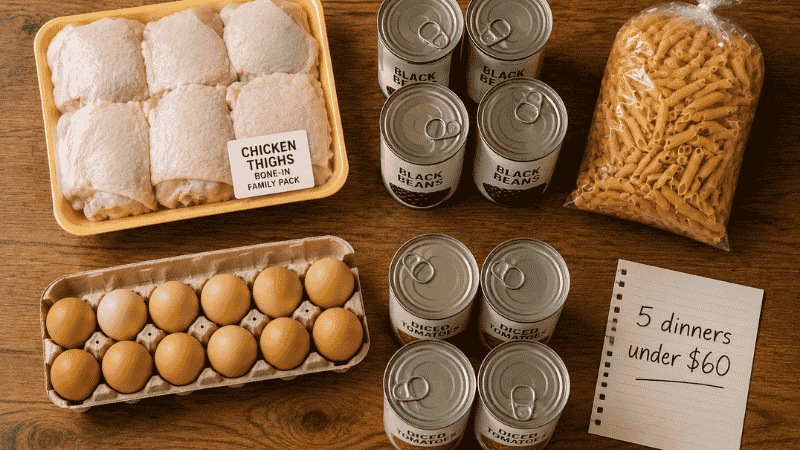
The 5 Budget Anchors (weekly cost at Walmart/Aldi):
- Bone-in chicken thighs (3–4 lbs, family pack): $6–$8
- Canned beans (black, kidney, or chickpeas, 4 cans): $4–$5
- Dried pasta or rice (2 lbs): $2–$3
- Eggs (1 dozen): $3–$4
- Canned diced tomatoes (4 cans): $4–$5
Total: approximately $19–$25 for the protein and carb foundation of your week. Add onions, garlic, frozen vegetables, and a few pantry spices ($15–$20), and you’ve got everything needed for 5 full dinners for a family of 4 — well under $60, or about $1.50–$3 per serving.
The key is that every ingredient gets used in multiple ways. The chicken thighs aren’t just for one dinner. The canned tomatoes show up in three different dishes. The beans appear once as the star and twice as a supporting player. Nothing sits in the fridge until it goes bad.
Cheap Family Meals Built Around Chicken Thighs
Bone-in, skin-on chicken thighs are the single best budget protein at the grocery store, and they’re routinely overlooked in favor of boneless breasts that cost twice as much and dry out far more easily. At $1.49–$1.99 per pound at Aldi or Walmart, a 3-lb family pack runs about $5–$6 and feeds four people generously across two different meals.
The fat content in chicken thighs is what makes them forgiving — they stay moist even if you cook them a few minutes too long, which matters a lot on a weeknight when you’re also helping with homework.
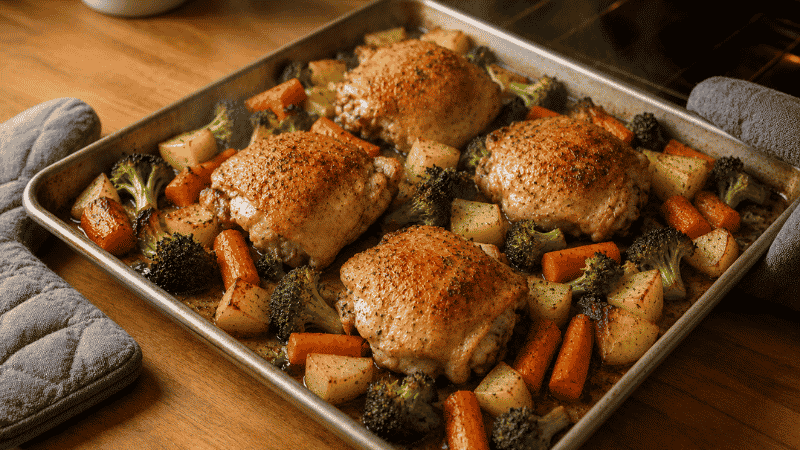
Sheet Pan Chicken Thighs with Roasted Vegetables
Cost per serving: approximately $1.80 | Time: 40 minutes (5 active)
Season 4 chicken thighs with garlic powder, smoked paprika, salt, and pepper. Toss whatever vegetables you have (frozen broccoli, carrots, potatoes) with olive oil and salt on the same pan. Roast everything at 425°F for 35–38 minutes. One pan, almost zero effort, and the chicken skin comes out crispy in a way that makes it feel like a proper dinner rather than a budget compromise.
This is the Monday meal. It’s the one you make when you’re most tired and need the oven to do the work.
Chicken and Rice Soup
Cost per serving: approximately $1.50 | Time: 30 minutes
Use the leftover chicken thighs from Monday (or cook two more). Pull the meat off the bones and shred it. Add it to a pot with low-sodium chicken broth, white rice, diced carrots and celery, garlic, and a bay leaf. Simmer for 20 minutes. Season with salt, pepper, and a squeeze of lemon if you have one.
This is one of those meals that makes the whole house smell good, which matters more than most recipes acknowledge. Kids who won’t touch “soup” will eat this because it smells familiar and tastes like something their grandmother would make.
Storage tip: This soup freezes beautifully. Make a double batch on a Sunday afternoon and freeze half in individual portions — you’ve just bought yourself an emergency dinner for three weeks from now.
One-Pan Chicken Taco Rice Skillet
Cost per serving: approximately $2.10 | Time: 25 minutes
Brown ground chicken or use leftover shredded chicken thigh meat in a large skillet. Add one can of drained black beans, one can of diced tomatoes, 1 cup of uncooked rice, 2 cups of chicken broth, and a packet of taco seasoning (or make your own with cumin, chili powder, garlic powder, and salt). Cover and simmer for 18–20 minutes until the rice absorbs the liquid. Top with shredded cheese.
This is the meal that gets requested again. It looks like more effort than it is, uses up two of your anchor ingredients in one shot, and kids consistently clean their plates.
Cheap Family Meals Built Around Beans
Canned beans are the most underused budget ingredient in most American kitchens — and they’re worth more than the $1.20 you spend on each can. One 15-oz can of black beans provides about 25 grams of protein per serving and costs a fraction of what the same amount of protein costs in meat. According to USDA nutritional data, beans and legumes deliver more protein per dollar than almost any other food in the grocery store.
The key to making beans work for picky eaters is to stop serving them as the obvious centerpiece and start building them in as flavor and texture rather than the main event.
Black Bean Quesadillas
Cost per serving: approximately $1.20 | Time: 15 minutes
Mash one can of black beans with a fork. Season with cumin, garlic powder, and a pinch of salt. Spread on flour tortillas with shredded cheddar cheese. Cook in a dry skillet over medium heat, 2 minutes per side. Cut into triangles. Serve with jarred salsa and sour cream.
This is the 15-minute dinner that saves you from ordering pizza. It’s also, quietly, one of the cheapest meals per serving you can put on the table — and nobody ever complains about quesadillas.
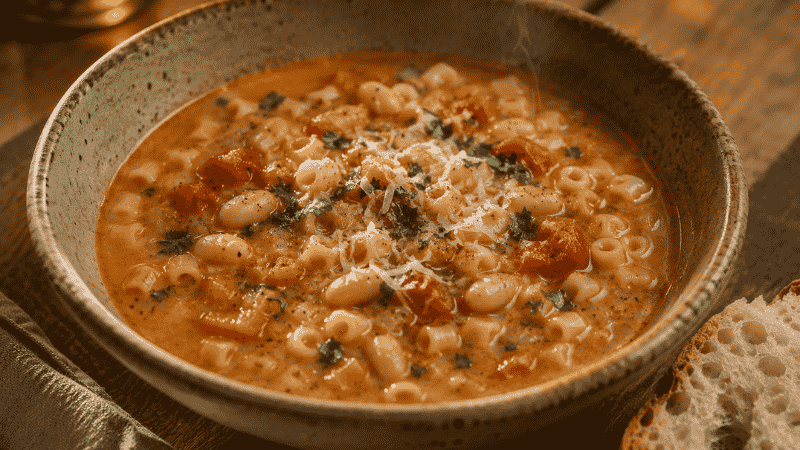
Pasta e Fagioli (Italian Bean and Pasta Soup)
Cost per serving: approximately $1.40 | Time: 30 minutes
Sauté diced onion and garlic in olive oil. Add one can of cannellini or kidney beans, one can of diced tomatoes, 4 cups of chicken or vegetable broth, and a cup of small pasta (ditalini, elbows, or broken spaghetti). Simmer until pasta is cooked. Season with salt, pepper, and dried oregano. Finish with a drizzle of olive oil and a handful of grated Parmesan if you have it.
This is a meal that costs about $6 total for four people and tastes like something you’d order at a restaurant. The combination of beans and pasta creates a complete protein, which is why this dish has been feeding families across Southern Italy for generations on almost no budget.
Chickpea Curry with Rice
Cost per serving: approximately $1.60 | Time: 25 minutes
Heat olive oil in a deep skillet. Add diced onion and cook 5 minutes. Add garlic, ginger (fresh or powder), curry powder, and cumin — stir for 30 seconds until fragrant. Add one can of chickpeas (drained) and one can of diced tomatoes. Simmer 15 minutes. Serve over white rice.
This is the meal that surprises people. It tastes complex and deeply seasoned despite having almost no expensive ingredients. The spices do all the heavy lifting, which is why building a basic spice collection is one of the single best investments a budget cook can make.
Cheap Family Meals Built Around Eggs
Eggs are the most complete, versatile, and cost-effective protein in the grocery store. At under $4 for a dozen — and often on sale below $3 — a single carton provides 12 complete proteins, each costing about 25 cents. According to the FDA, eggs contain all nine essential amino acids, making them one of the most nutritionally complete single foods available.
The mental block most families have is thinking of eggs as breakfast food. Break that habit and you’ve unlocked some of the cheapest and fastest dinners possible.
Fried Rice with Egg and Frozen Vegetables
Cost per serving: approximately $1.30 | Time: 15 minutes
This is the meal that uses up leftover rice (which is why you should always make extra). Heat oil in a large skillet or wok. Add a cup of frozen peas and corn — no thawing needed. Push to the side and scramble 3–4 eggs in the same pan. Mix everything together. Add 2 cups of cooked rice, a splash of soy sauce, and sesame oil if you have it. Season with garlic powder and pepper.
This meal takes 15 minutes, uses almost entirely pantry and freezer ingredients, and costs under $5 for the whole family. It’s the Wednesday dinner that saves the week.
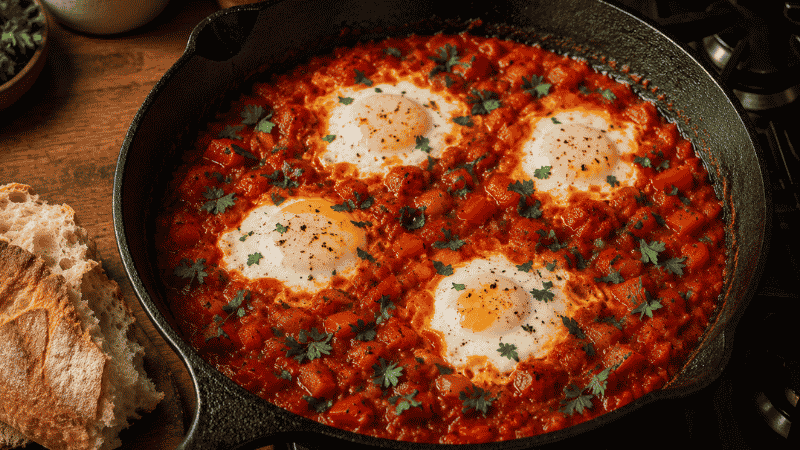
Shakshuka (Eggs in Tomato Sauce)
Cost per serving: approximately $1.50 | Time: 25 minutes
Sauté diced onion and garlic in olive oil. Add one can of diced tomatoes, smoked paprika, cumin, and a pinch of red pepper flakes. Simmer 10 minutes until slightly thickened. Make 4 wells in the sauce and crack one egg into each. Cover and cook until whites are set but yolks are still slightly runny, about 5–7 minutes. Serve with crusty bread or warm tortillas for scooping.
This dish is genuinely impressive for the cost. It’s the kind of dinner where guests ask for the recipe, and you quietly note it cost about $6 for the whole pan.
Frittata with Whatever’s Left in the Fridge
Cost per serving: approximately $1.20 | Time: 25 minutes
Beat 6 eggs with a splash of milk, salt, and pepper. Add whatever vegetables you have — leftover roasted vegetables from Monday, wilting spinach, a handful of frozen corn, diced bell peppers. Pour into an oven-safe skillet with melted butter. Cook on the stovetop until edges are set, then transfer to a 375°F oven for 10–12 minutes until the center is firm. Cut into wedges.
This is the meal that uses up what’s about to go bad. It’s also proof that “what’s left in the fridge” can become a real dinner rather than a reason to order delivery.
Cheap Family Meals Built Around Pasta
Pasta is the most obvious budget food, but most families cook it the same way every week — boil noodles, open a jar of sauce, done. The reason pasta feels boring isn’t the ingredient; it’s the lack of variation. These three recipes use the same package of pasta completely differently.
Aglio e Olio (Garlic and Olive Oil Pasta)
Cost per serving: approximately $0.90 | Time: 20 minutes
Cook spaghetti in heavily salted water until al dente. While it cooks, slice 5–6 garlic cloves thin and cook them gently in ½ cup of good olive oil — low heat, until golden, not brown. Add a pinch of red pepper flakes. Toss drained pasta directly into the pan with a splash of pasta cooking water. Top with Parmesan and fresh parsley if available.
At under $1 per serving, this is the cheapest dinner in this entire guide — and it’s also, quietly, one of the best. It tastes expensive because good olive oil and properly cooked garlic are transformative. This is what Italian grandmothers have been making for broke young people for centuries.
Baked Ziti
Cost per serving: approximately $2.20 | Time: 45 minutes (10 active)
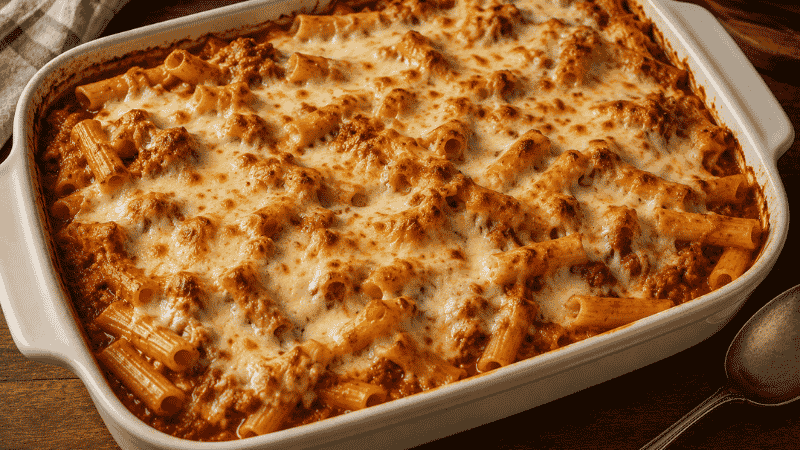
Cook 12 oz of ziti or penne until just underdone (it’ll keep cooking in the oven). Mix with one jar of marinara sauce, one can of diced tomatoes, a cup of ricotta if available (or skip it), and half a pound of browned ground beef or Italian sausage if using. Transfer to a baking dish, top with shredded mozzarella, and bake at 375°F for 25 minutes until bubbly.
This is the dinner that feeds 6 people for about $12 total. It’s also the one that works best for a Friday night when you want something that feels like a treat. Make double and freeze half — baked ziti reheats better than almost any other pasta dish.
Pasta with Canned Tuna and Tomatoes
Cost per serving: approximately $1.60 | Time: 20 minutes
Cook spaghetti or linguine. While it cooks, sauté garlic in olive oil, add a can of drained tuna in oil (not water — it stays far more flavorful), one can of diced tomatoes, and a handful of capers if you have them. Toss with pasta, red pepper flakes, and a squeeze of lemon. Finish with fresh parsley or dried oregano.
This is the Italian coastal dinner that most Americans have never tried and immediately wish they’d known about sooner. Tuna in pasta sounds wrong until you eat it, and then it becomes a regular rotation.
How to Turn One Grocery Haul Into 5 Nights of Dinner
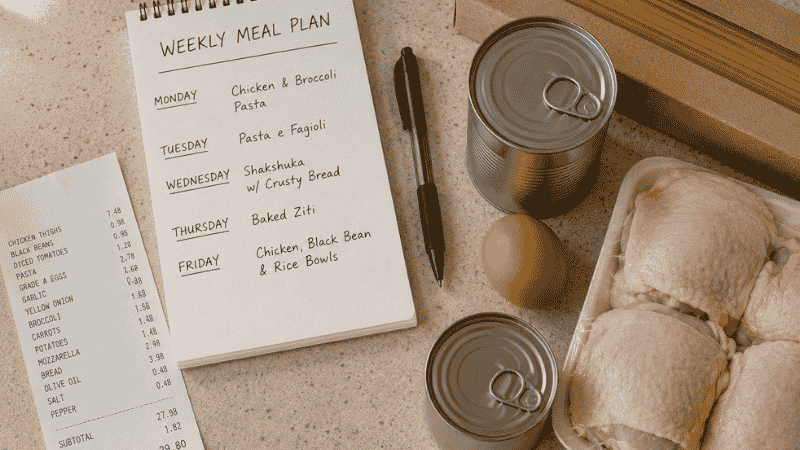
Here’s what a real budget week looks like when you plan around the 5 anchor ingredients:
Monday: Sheet Pan Chicken Thighs with Roasted Vegetables — uses chicken thighs + frozen vegetables Tuesday: Pasta e Fagioli — uses canned beans + canned tomatoes + pasta Wednesday: Fried Rice with Egg — uses eggs + leftover rice + frozen vegetables Thursday: Chicken and Rice Soup — uses leftover chicken + broth + rice Friday: Baked Ziti — uses pasta + canned tomatoes + (optional ground beef)
One grocery run. Five dinners. Approximately $55–$65 total for a family of 4.
The reason this works is overlap. The chicken appears twice. The canned tomatoes appear three times. The pasta covers two different meals. Nothing gets bought for a single purpose and then forgotten in the back of the fridge.
This is the actual difference between families who stay within their grocery budget and those who don’t — not coupons, not sacrifice, but intentional overlap between what you buy and what you cook.
What to Do When You Have 10 Minutes and No Plan
Some nights, nothing goes according to plan. Here’s the 10-minute emergency dinner rotation that requires only pantry and freezer ingredients:
- Eggs and rice: Fry 2 eggs per person in butter, serve over rice with soy sauce and hot sauce. Done in 10 minutes, cost under $1 per serving.
- Bean quesadillas: Mashed canned beans + shredded cheese + tortillas + 15 minutes = dinner.
- Pasta aglio e olio: Boil pasta, sauté garlic in olive oil, toss together. 20 minutes, under $1 per serving.
- Canned bean soup: One can of beans + one can of diced tomatoes + broth + garlic + 15 minutes of simmering. Serve with bread.
These aren’t backup dinners. These are proof that when your pantry is stocked correctly, you never actually need to order takeout.
FAQ
Q: What are the cheapest family meals per serving?
Pasta aglio e olio (garlic and olive oil) comes in around $0.90 per serving and is one of the most satisfying budget meals you can make. Bean-based meals generally run $1.20–$1.60 per serving. Egg-based dinners like fried rice or shakshuka range from $1.20–$1.50. Chicken thigh meals typically land between $1.80–$2.20 per serving depending on vegetable additions.
Q: How do I feed a family of 4 cheap meals that kids will actually eat?
Focus on familiar formats rather than unfamiliar ingredients. Kids who won’t eat “beans” will eat bean quesadillas. Kids who won’t eat soup will eat taco rice skillet. The delivery method matters as much as the ingredient. Finger foods, things they can assemble themselves, and dishes with cheese on top have consistently higher acceptance rates with picky eaters.
Q: What’s the cheapest protein to build cheap family meals around?
Bone-in chicken thighs are the best value per gram of protein — typically $1.49–$1.99 per pound at Aldi or Walmart. Eggs come in second at about $0.25–$0.33 per egg, or per 6 grams of complete protein. Canned beans are the most economical overall at about $1.20 per can with approximately 25 grams of protein. For red meat, ground beef on sale ($3–$4/lb) stretches further than any other cut because it mixes into other ingredients rather than serving alone.
Q: How do I make cheap family meals taste less like budget food?
Salt pasta water aggressively — it should taste like mild seawater. Toast your spices for 30 seconds in oil before adding other ingredients. Use fresh garlic instead of powder when you have 10 extra seconds. Add an acid at the end (lemon juice, vinegar) to brighten flat-tasting dishes. Finish soups and stews with a drizzle of olive oil. These techniques cost nothing and make the difference between food that tastes expensive and food that tastes like you tried.
Q: Is it really possible to feed a family of 4 for under $150 a week with cheap family meals?
Yes — and many families do it closer to $100. The USDA’s Thrifty Food Plan for a family of four was $1,003 per month as of early 2026, which works out to about $250 per week. Families who plan around budget anchor ingredients, cook most meals at home, minimize food waste, and shop at Aldi or Walmart consistently report spending $100–$150 per week. The gap between $250 and $150 is almost entirely explained by food waste, impulse purchases, and unplanned takeout — not by the food itself.
Q: How do I store leftovers from cheap family meals to avoid waste?
The most important habit is portioning leftovers immediately after cooking rather than storing the whole pot. Portions in individual glass containers reheat more evenly, make lunch the next day obvious and easy, and prevent the “nobody wanted to be the one to take the last bit” problem that leads to leftovers quietly going bad. Soups and bean dishes freeze exceptionally well — make double batches specifically to freeze. Pasta dishes generally last 3–4 days refrigerated.
Q: What pantry staples do I need to always have on hand for cheap family meals?
The non-negotiables: canned diced tomatoes, canned beans (at least 4 cans of rotating types), dry pasta (2 varieties), white rice, olive oil, garlic powder, smoked paprika, cumin, soy sauce, and kosher salt. With these items already stocked, every meal in this guide can be made with only 1–2 additional grocery purchases. The pantry is what converts a $150 weekly grocery bill into a $100 weekly grocery bill — because you’re never starting from zero.
The Honest Bottom Line
The best cheap family meals aren’t about sacrifice. They’re about system. When you know which five ingredients anchor your week, how to use each one in multiple ways, and how to cook them so they actually taste good — the budget takes care of itself.
Start with one week of this approach. Buy the anchor ingredients, plan five dinners, and notice how much less you spend at checkout and how much less you waste by Friday. The habits that come from planning ahead are worth more than any individual recipe or coupon.
For the complete shopping list behind these meals, our weekly grocery list for a family of 4 breaks down exactly what to buy, where to buy it, and how to stay under $150 for the week. And if you want to make sure your pantry is always ready for these dinners without a special grocery run, our pantry staples list covers everything you should always have on hand.
References
- USDA Economic Research Service. Cost of Food Reports — Thrifty Food Plan, February 2026. ers.usda.gov
- USDA Agricultural Research Service. FoodData Central — Nutritional Content of Beans and Legumes. fdc.nal.usda.gov
- U.S. Food & Drug Administration. Nutritional Value of Eggs. fda.gov
- Bureau of Labor Statistics. Consumer Price Index — Food at Home, February 2026. bls.gov
- Scary Mommy / Family Budget Survey. Average Weekly Grocery Spending, American Families 2026. scarymommy.com