
Most shoppers are stuck in 2010, obsessing over “low acidity” on a label. But here’s the reality for 2026: acidity is just a baseline for safety. If you want the actual health “magic”—the stuff that fights inflammation and keeps your heart young—you need to talk about polyphenols in olive oil.
Think of olive oil like wine. You wouldn’t just buy a bottle because it’s “not vinegar,” right? You buy it for the notes, the region, and the soul. In this guide, I’m pulling back the curtain on how to identify high polyphenol olive oil so you can stop buying bland, dead fat and start stocking your pantry with liquid medicine.
Why Polyphenols are the Real “Anti-Inflammatory” MVP
Polyphenols are naturally occurring antioxidants found in the skin and pulp of olives. When you consume early harvest EVOO, you’re getting a massive dose of Oleocanthal—a specific compound that acts almost exactly like a low-dose ibuprofen in your body.
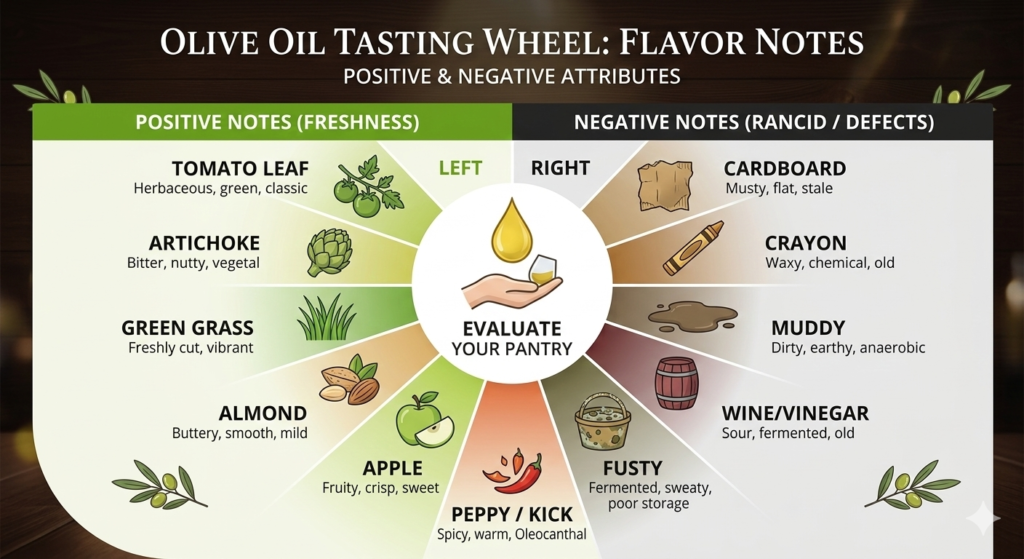
If your oil doesn’t have a peppery sting that makes you cough, it’s likely low in these compounds. In 2026, we’ve moved past “light and buttery” oils. We want the oils that fight back.
How to Spot High Polyphenol Olive Oil on the Label
You won’t always see “700 mg/kg” printed on the bottle (though you should look for it). Instead, look for these three “Sommelier” indicators:
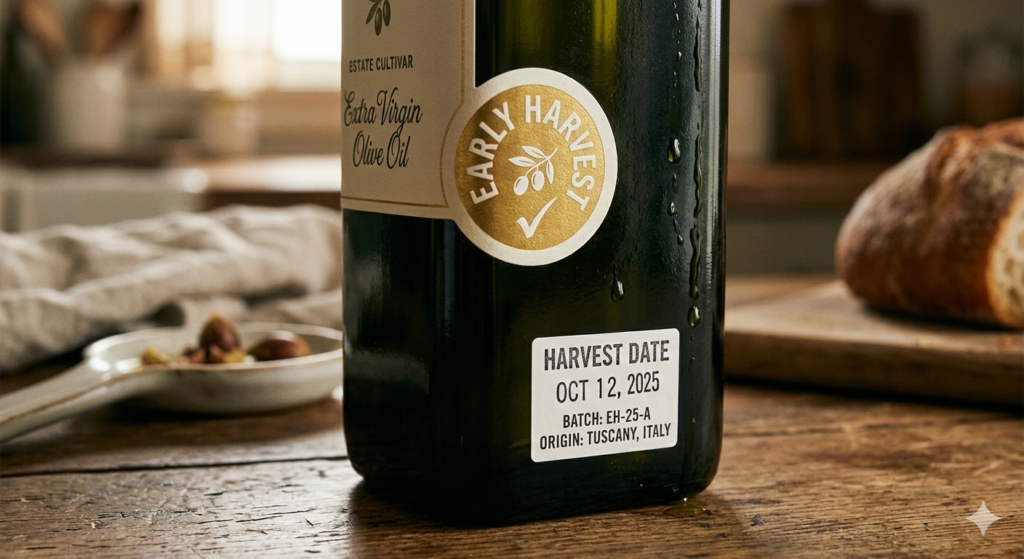
- The Harvest Date (The “Freshness” Factor) Polyphenols degrade over time. If a bottle doesn’t show a harvest date from the most recent season, the antioxidant count has already dropped. Look for “2025/2026 Harvest” for peak potency.
- Specific Cultivars (The “Variety” Factor) Not all olives are created equal. If you want high-octane health benefits, look for hardy varieties like Coratina, Picual, or Mission. These are naturally higher in polyphenols than the milder, sweeter Arbequina.
- “Early Harvest” or “First Cold Press” Green, unripe olives have the highest polyphenol count. They produce less oil, making the bottle more expensive, but the nutritional density is unmatched.
Data-Driven: The PantryVA Flavor & Health Matrix
Before you buy, use this quick reference to see how your favorite variety stacks up.
| Olive Variety | Polyphenol Level | Flavor Profile | Best For |
| Coratina (Italy) | Very High | Intense, Spicy, Bitter | Heart Health, Finishing |
| Picual (Spain) | High | Woody, Tomato Leaf | Daily Sautéing, Anti-inflammation |
| Arbequina (Global) | Low-Medium | Buttery, Nutty, Sweet | Baking, Beginners |
How to Taste Olive Oil Like a Pro (Strippaggio)
Don’t just pour it on a salad. To know if you’ve got the good stuff, you have to “slurp” it.
- Warm the Glass: Cup the glass in your hand to release the aromas.
- The Smell: It should smell like a garden—freshly cut grass, green tomatoes, or even herbs. If it smells like peanuts or old crayons, it’s oxidized.
- The Slurp: Take a small sip and suck in air (the strippaggio technique). This atomizes the oil across your palate.
- The Burn: Wait for it. A high-polyphenol oil will catch in the back of your throat. That “peppery kick” is the sign of high-quality anti-inflammatory cooking oil.
FAQ: Deep Dives into Polyphenol Myths
- Can I cook with high polyphenol oil? Absolutely. High-polyphenol oils are actually more stable at high heat because the antioxidants protect the fat from breaking down.
- Does it taste bitter? Yes, and that’s a good thing. Bitterness is the flavor of health. If your oil is completely neutral, it’s likely refined.
- How do I store it? According to the North American Olive Oil Association, heat and light are the killers of polyphenols. Keep your bottle in a dark cupboard, never on the counter next to the stove.
Conclusion: Your Pantry is Your Pharmacy
Switching to a high-polyphenol oil is the easiest health upgrade you can make in 2026. Stop worrying about the “light” flavor and start embracing the spicy, bitter, and grassy notes of real EVOO. Your heart—and your pasta—will thank you.