
Key Takeaways
- Every meal in this guide costs under $10 total for a family of four, based on 2026 prices at Walmart and Aldi — that’s under $2.50 per person per dinner.
- According to the USDA, the average American family of four spent approximately $1,003 per month on groceries in early 2026. Families who build meals around budget staples report cutting that by 30–40% without eating worse.
- The biggest misconception about cheap meals for family is that “cheap” means bland. Spices, acid, and fat are free or nearly free — and they’re what separate a $6 dinner that tastes like $6 from one that tastes like $20.
- These 18 meals are organized by scenario: under $10 total, 20 minutes or less, slow cooker, and picky eaters — because the right meal depends on what your evening looks like, not just what’s in your budget.
- One grocery run covering 5 anchor ingredients (chicken thighs, ground beef, canned beans, pasta, eggs) handles the majority of these recipes for the week.
I still think about the week my husband’s hours got cut and we had $60 left for groceries. Not $60 extra — $60 total, for a family of four, for the rest of the month. I stood in the Walmart aisle doing math on my phone, putting things back, calculating cost per serving for the first time in my life.
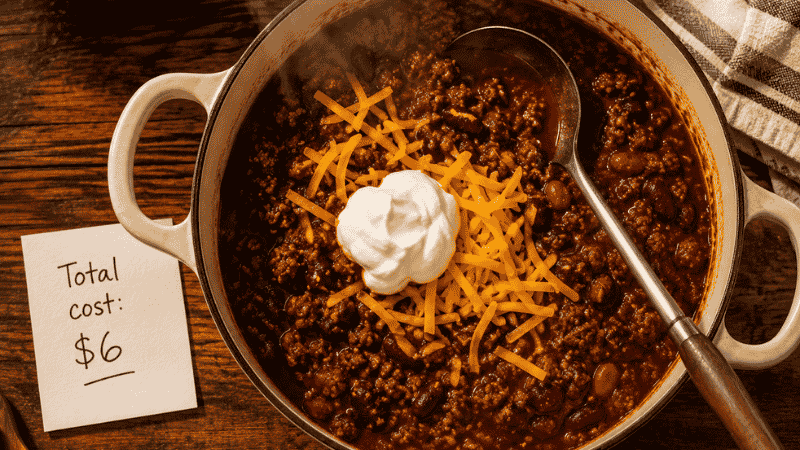
That week I made a pot of beef and bean chili that cost $6. My kids ate two bowls each. My husband said it was one of the best dinners I’d ever made. Nobody knew the backstory. Nobody needed to.
That experience changed how I cook permanently — not because I love being broke, but because I realized that cheap meals for family don’t have to announce themselves. They don’t have to feel like sacrifice or apology food or “this is what we can afford right now.” When you know which ingredients punch above their weight, and how to season and build flavor without spending more, the budget becomes invisible.
These 18 meals are the ones I come back to. They’re real dinners — not just recipes that technically cost under a certain amount — with complete cooking instructions, honest cost estimates, and the things I’ve learned from making each one dozens of times.
Why Cheap Meals for Family Don’t Have to Taste Like Cheap Meals
Here’s the thing most budget cooking guides don’t tell you: the difference between a meal that tastes expensive and one that tastes like budget food is almost never the protein. It’s salt, fat, acid, and time — and three of those four are nearly free.
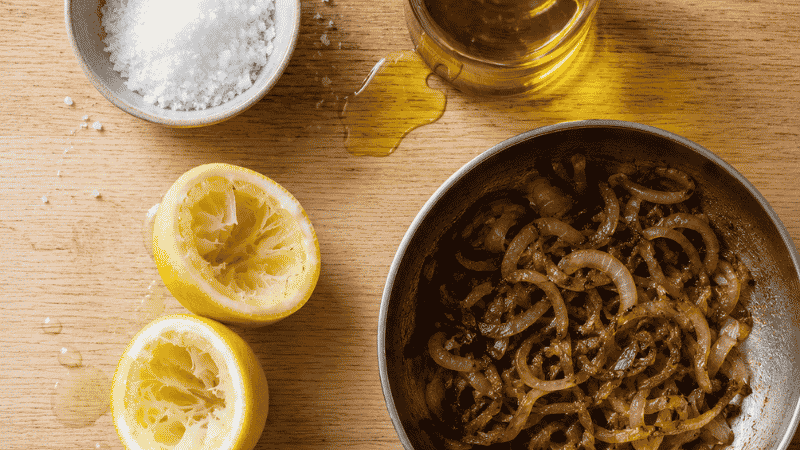
Salt: Properly salted food tastes complete. Under-salted food tastes flat and vaguely sad, regardless of how much you spent on the ingredients. Season at every stage of cooking, not just at the end.
Fat: Butter, olive oil, and the rendered fat from meat create richness that makes food satisfying. When you roast chicken thighs in their own fat, or finish pasta with a drizzle of olive oil, you’re adding flavor that costs fractions of a cent per serving.
Acid: A squeeze of lemon, a splash of vinegar, or a spoonful of salsa at the end of cooking brightens flavors and makes everything taste more alive. This is the technique professional cooks use on food that tastes flat — and it works every single time.
Time: Letting things simmer, brown properly, or caramelize costs nothing except the willingness to wait 10 extra minutes. A meat sauce simmered for 25 minutes instead of 10 tastes twice as good.
Master these four principles and your cheap meals for family will stop tasting like budget food. They’ll just taste like dinner.
The Grocery Strategy Behind These Cheap Meals for Family
Before the recipes, let’s talk about shopping — because the most expensive thing about budget cooking is buying different ingredients for every single meal.
The families who consistently spend the least on food aren’t shopping for 7 completely different dinners. They’re building around anchor ingredients that appear in multiple meals throughout the week. One pack of ground beef becomes taco night on Tuesday and pasta sauce on Thursday. One batch of chicken thighs becomes sheet pan dinner on Monday and soup on Wednesday. One can of black beans goes into quesadillas on Friday.
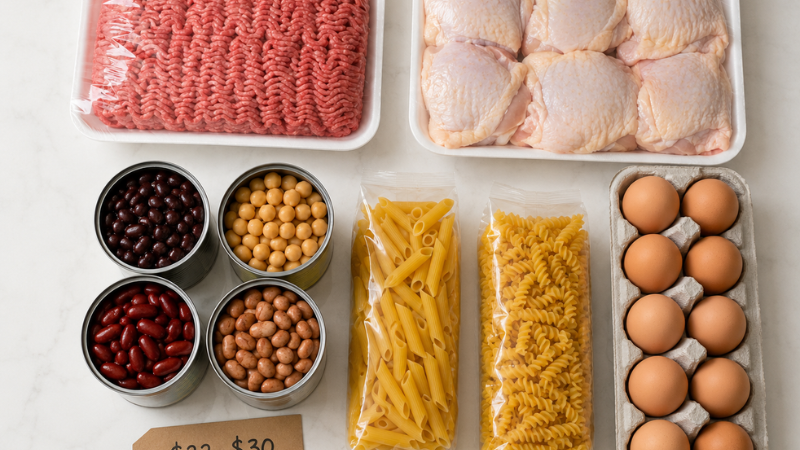
The 5 anchor ingredients for this meal plan:
- Ground beef (2 lbs, 80/20, family pack) — $7–$10 at Walmart/Aldi
- Bone-in chicken thighs (3–4 lb family pack) — $6–$8
- Canned beans (black, kidney, chickpeas — 4 cans) — $4–$5
- Dry pasta (2 lbs, two shapes) — $2–$3
- Eggs (1 dozen) — $3–$4
Add onions, garlic, canned tomatoes, chicken broth, and basic spices (all pantry items), and you’ve covered nearly every meal in this guide for approximately $22–$30 at Walmart or Aldi. That’s before you even count the pantry items you already have.
One practical note on stores: Based on 2026 price comparisons, Aldi typically runs 8–10% cheaper than Walmart on proteins and fresh produce. For pantry staples like canned goods, pasta, and rice, both stores are comparable. If you have both nearby, the split-shop strategy — proteins and produce from Aldi, pantry items from Walmart — delivers consistent savings without significantly more effort.
Cheap Meals for Family Under $10 Total
These are the meals that cost less than a single meal from a fast food drive-through — for the whole family.
Beef and Bean Chili
Total cost: $6–$7 | Per serving: $1.50–$1.75 | Time: 35 minutes | Kid acceptance: ⭐⭐⭐⭐
Brown half a pound of ground beef in a large pot with diced onion. Drain most of the fat. Add two cans of kidney or black beans (drained and rinsed), one large can of diced tomatoes, 1 cup of chicken broth, chili powder, cumin, garlic powder, salt, and a pinch of cayenne. Simmer 20–25 minutes until flavors meld. Taste and adjust seasoning — chili almost always needs more salt than you think.
Serve with shredded cheddar, sour cream, and crackers or cornbread. Top with hot sauce for adults who want heat.
The reason this recipe works as well as it does has to do with the fat rendering. Properly browning the beef — actually leaving it alone until a crust forms on the bottom, not stirring constantly — creates flavor that makes this taste like it cooked all day. Rushing that step is the most common reason homemade chili tastes one-dimensional.
Stretch it: Make a double batch. Freeze half in individual portions. You’ve just made future-you very happy.
Pasta e Fagioli
Total cost: $5–$6 | Per serving: $1.25–$1.50 | Time: 30 minutes | Kid acceptance: ⭐⭐⭐
Sauté diced onion and 4 garlic cloves in 2 tablespoons of olive oil until soft, about 5 minutes. Add one can of white beans (cannellini or navy), one can of diced tomatoes, 4 cups of chicken broth, and 1 cup of small pasta (ditalini, elbows, or broken spaghetti). Simmer until pasta is cooked through, about 12 minutes. Season generously with salt, pepper, and dried oregano. Finish with a drizzle of olive oil and grated Parmesan if available.
This is Italian peasant food that has been feeding families for generations on almost nothing. The combination of beans and pasta provides complete protein, making this genuinely nutritious despite the near-zero cost. According to USDA nutritional data, beans and pasta together supply all essential amino acids — a complete protein profile comparable to meat, at a fraction of the cost.
Introduction strategy for kids: Call it “pasta soup” rather than by its Italian name, and serve with crusty bread for dipping. Soup with bread for dipping has about a 90% acceptance rate with children who are otherwise suspicious of new foods.
Taco Rice Skillet
Total cost: $7–$8 | Per serving: $1.75–$2.00 | Time: 25 minutes | Kid acceptance: ⭐⭐⭐⭐⭐
Brown half a pound of ground beef or turkey in a large skillet over medium-high heat. Drain excess fat. Add one can of black beans (drained), one can of diced tomatoes with their liquid, 1 cup of uncooked white rice, 2 cups of chicken broth, and taco seasoning to taste (either store-bought or a mix of cumin, chili powder, garlic powder, and salt). Stir everything together. Bring to a boil, then reduce heat to low, cover, and cook 18–20 minutes until rice has absorbed the liquid. Top with shredded cheese. Serve directly from the pan.
This is the most reliably successful meal in this entire guide for families with children. The flavor profile maps onto familiar taco territory (cheese, cumin, mild heat), the rice makes it filling, and the presentation — golden, cheesy, directly from the skillet — is inherently appealing. It reheats well for the next day’s lunch and can be stretched by adding more rice and broth.
Garlic Butter Pasta
Total cost: $3–$4 | Per serving: $0.75–$1.00 | Time: 15 minutes | Kid acceptance: ⭐⭐⭐⭐⭐
Bring a large pot of water to boil. Salt it heavily — it should taste like mild seawater. Cook 12 oz of spaghetti until al dente. Meanwhile, slice 5–6 garlic cloves thin. Cook them in ½ cup of olive oil or butter over low heat, stirring gently, until just golden — 4–5 minutes. Watch carefully; the line between golden and burnt is about 30 seconds. Add a pinch of red pepper flakes. Toss drained pasta into the garlic oil with a splash of pasta cooking water to help the sauce coat the noodles. Finish with Parmesan and a drizzle of good olive oil.
This is the cheapest dinner in this guide — under $1 per person — and it is also genuinely one of the best. The reason it tastes restaurant-quality is physics: pasta cooking water, which is full of dissolved starch, emulsifies with the fat to create a silky sauce that clings to every noodle. This happens automatically if you add the pasta to the pan rather than draining and serving separately.
The one rule: Do not burn the garlic. If it smells nutty and smells good, it’s ready. If it smells sharp or bitter, start the garlic over. It costs about 10 cents and 3 minutes — always worth it.
Black Bean Quesadillas
Total cost: $4–$5 | Per serving: $1.00–$1.25 | Time: 15 minutes | Kid acceptance: ⭐⭐⭐⭐⭐
Mash one can of black beans with a fork. Season with cumin, garlic powder, a pinch of salt, and a squeeze of lime if available. Spread on one side of a large flour tortilla. Add shredded cheddar. Fold in half. Cook in a dry skillet over medium heat, 2 minutes per side, pressing down gently with a spatula until golden and crispy on both sides. Cut into triangles. Serve with jarred salsa, sour cream, or hot sauce.
This is the emergency dinner that saves money most often — because it costs less than $5 and takes less than 15 minutes, it’s genuinely competitive with the mental appeal of ordering pizza at 6 PM. The key to a good quesadilla is the same as the key to a good grilled cheese: don’t rush the heat. Medium, not high. Let the cheese melt fully before you flip.
Cheap Family Meals in 20 Minutes or Less
These are the weeknights when you have even less time than usual. Every minute is accounted for.
Egg Fried Rice
Total cost: $3–$4 | Per serving: $0.75–$1.00 | Time: 15 minutes | Kid acceptance: ⭐⭐⭐⭐
This meal requires leftover cooked rice. This is why you should always make extra when you cook rice — cold, day-old rice fries better than fresh rice because the moisture has dried out, allowing the grains to crisp rather than steam.
Heat 2 tablespoons of oil in a large skillet or wok over high heat. Add a cup of frozen peas and corn — straight from the freezer. Push to the side. Crack 3–4 eggs into the empty space and scramble them. When just set, mix everything together. Add 2–3 cups of cold cooked rice, breaking up any clumps. Add 2–3 tablespoons of soy sauce, a drizzle of sesame oil if you have it, and garlic powder. Stir-fry 2 minutes until everything is hot and slightly crispy at the edges.
According to the FDA, eggs provide all nine essential amino acids, making them one of the most nutritionally complete single foods available. Combined with rice and vegetables, egg fried rice is a genuinely balanced meal at a fraction of the cost of takeout equivalents.
Cheesy Beef Mac (Homemade Hamburger Helper)
Total cost: $7–$8 | Per serving: $1.75–$2.00 | Time: 20 minutes | Kid acceptance: ⭐⭐⭐⭐⭐
Brown half a pound of ground beef with diced onion in a large skillet. Drain fat. Add 2 cups of elbow pasta, 2 cups of chicken broth, ½ cup of milk, garlic powder, onion powder, salt, and pepper. Stir well. Cook over medium heat, stirring every 2–3 minutes, until pasta is tender and most liquid is absorbed, about 12 minutes. Remove from heat. Stir in 1–1.5 cups of shredded cheddar until melted and creamy.
This is homemade Hamburger Helper. It costs less than the box version, tastes significantly better, and comes together in the same amount of time. Children who are suspicious of casseroles will eat this because the words “cheesy beef mac” are doing enormous emotional labor in their favor. There is almost no recorded instance of a child refusing cheesy beef mac.
Rotisserie Chicken Tacos
Total cost: $8–$9 | Per serving: $2.00–$2.25 | Time: 10 minutes | Kid acceptance: ⭐⭐⭐⭐⭐
Buy a rotisserie chicken ($5–$6 at most grocery stores, typically Walmart and Costco have the best prices). Pull the meat from the carcass — you’ll get about 3 cups of shredded chicken. Season with cumin, chili powder, garlic powder, and a squeeze of lime. Warm flour or corn tortillas in a dry pan or directly on a gas burner. Set up a taco bar with toppings: salsa, shredded cheese, sour cream, diced onion, whatever you have.
The rotisserie chicken is one of the best value propositions in any grocery store. You’re paying $5–$6 for a fully cooked, already-seasoned protein that can be on the table in 10 minutes. The carcass, which most families throw away, can be simmered with water and vegetables for 30 minutes to make a quart of chicken broth — effectively reducing the cost of the chicken further.
Sheet Pan Nachos
Total cost: $6–$7 | Per serving: $1.50–$1.75 | Time: 20 minutes | Kid acceptance: ⭐⭐⭐⭐⭐
Preheat oven to 400°F. Spread tortilla chips in a single layer on a large sheet pan. Top with half a pound of browned, seasoned ground beef (or a drained can of refried beans for a meatless version). Add shredded cheddar — be generous, this is not a meal for restraint. Bake 10–12 minutes until cheese is fully melted and slightly golden at the edges. Remove from oven. Add cold toppings: sour cream, jarred salsa, diced tomato, sliced jalapeños.
Nachos for dinner is a legitimate decision made by smart parents. Everyone eats, everyone is happy, cleanup is one sheet pan. This is not a compromise — it’s a strategy.
Slow Cooker Cheap Meals for Family
These are the weeknight dinners you assemble in the morning and come home to. The slow cooker does the work; you just need to have had the foresight to start it.
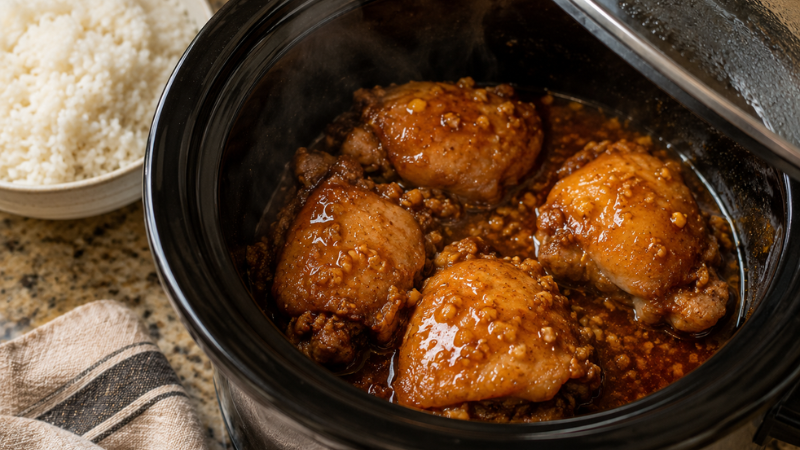
Crockpot Honey Garlic Chicken
Total cost: $7–$8 | Per serving: $1.75–$2.00 | Time: 10 minutes active / 4–6 hours slow cooker | Kid acceptance: ⭐⭐⭐⭐⭐
Place 4 bone-in chicken thighs in the slow cooker. Mix together: ¼ cup soy sauce, 3 tablespoons honey, 4 minced garlic cloves, 1 tablespoon olive oil, and ½ teaspoon black pepper. Pour over chicken. Cook on low 5–6 hours or high 3–4 hours. Remove chicken, shred meat with two forks, and return to the sauce. Serve over white rice.
The sauce reduces and caramelizes slightly while cooking, creating a sweet-savory glaze that tastes considerably more involved than it is. This is the recipe that makes dinner guests think you spent the afternoon cooking.
Slow Cooker White Bean and Sausage Soup
Total cost: $7–$8 | Per serving: $1.75–$2.00 | Time: 10 minutes active / 6–8 hours slow cooker | Kid acceptance: ⭐⭐⭐⭐
Slice one 12–14 oz package of smoked kielbasa or andouille sausage into ½-inch coins. Place in slow cooker with two cans of white beans (drained), one can of diced tomatoes, 4 cups of chicken broth, diced onion, 3 minced garlic cloves, and a bay leaf. Cook on low 6–8 hours or high 4–5 hours. Add a handful of frozen spinach in the last 30 minutes. Season with salt and pepper. Remove bay leaf before serving.
Smoked sausage is already cooked, which means it’s forgiving in the slow cooker — it won’t dry out or become rubbery even if it cooks a little longer than planned. This soup freezes beautifully and reheats from frozen in about 5 minutes.
Crockpot Chicken Pot Pie Casserole
Total cost: $8–$9 | Per serving: $2.00–$2.25 | Time: 15 minutes active / 4–6 hours slow cooker | Kid acceptance: ⭐⭐⭐⭐⭐
Place 4 chicken thighs in the slow cooker. Add one can of cream of chicken soup, one can of mixed vegetables (drained), ½ cup of chicken broth, garlic powder, onion powder, salt, and pepper. Cook on low 5–6 hours or high 3–4 hours. Shred chicken and stir everything together. Serve over biscuits (store-bought or homemade) or spooned over white rice.
The cream of chicken soup functions as a built-in thickener and seasoning base, which is why it’s genuinely useful here rather than a shortcut to be embarrassed about. The result tastes like the filling of a proper chicken pot pie, which is to say: deeply comforting and familiar in a way that makes everyone at the table feel cared for.
Cheap Meals Even Picky Eaters Will Actually Eat
The universal principle behind picky eater success: familiar formats beat unfamiliar ingredients. A child who won’t eat “beans” will eat a bean quesadilla. A child who won’t eat “soup” will eat chili over rice. The delivery mechanism matters more than what’s inside it.
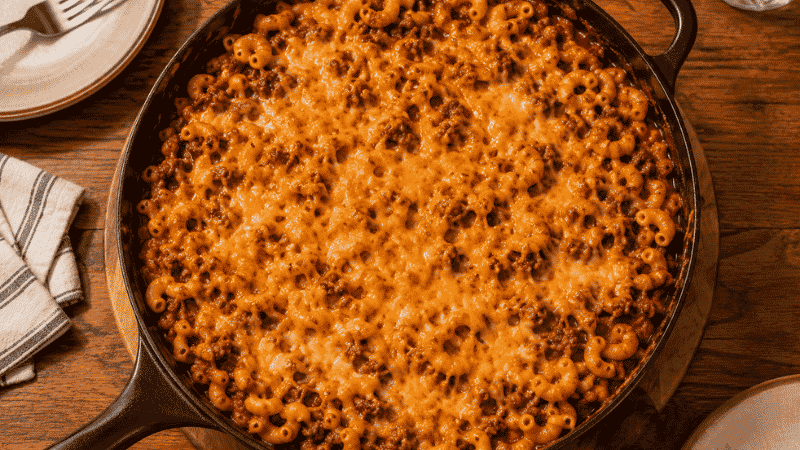
Chili Mac
Total cost: $7–$8 | Per serving: $1.75–$2.00 | Time: 30 minutes | Kid acceptance: ⭐⭐⭐⭐⭐
Brown half a pound of ground beef with diced onion in a large pot. Drain fat. Add one can of kidney beans (drained), one can of diced tomatoes, 2 cups of chicken broth, chili powder, cumin, garlic powder, and salt. Bring to a boil. Add 2 cups of elbow pasta directly to the pot. Cook over medium heat, stirring often, until pasta is tender and sauce has thickened, about 12 minutes. Top with shredded cheddar.
Everything cooks in one pot, and the pasta absorbs the chili broth as it cooks, thickening the sauce naturally. The result is somewhere between chili and mac and cheese — which is to say, it’s something that no child has ever turned down in the recorded history of family dinners.
Tuna Casserole from Scratch
Total cost: $6–$7 | Per serving: $1.50–$1.75 | Time: 35 minutes | Kid acceptance: ⭐⭐⭐⭐
Cook 10 oz of egg noodles or wide pasta until just underdone. Drain. Make a quick cream sauce: melt 2 tablespoons of butter, whisk in 2 tablespoons of flour, then slowly add 1.5 cups of milk and ½ cup of chicken broth, stirring until thickened, about 4 minutes. Mix noodles with the sauce, two cans of drained tuna in oil, and 1 cup of frozen peas. Transfer to a baking dish. Top with a mixture of breadcrumbs and a little melted butter. Bake at 375°F for 20 minutes until top is golden.
The homemade cream sauce is what separates this from the institutional version made with cream-of-mushroom soup. It tastes clean and buttery rather than metallic and thick. Tuna in oil — rather than water — keeps the fish moist and flavorful throughout baking.
Goulash (One-Pot Ground Beef and Pasta)
Total cost: $7–$8 | Per serving: $1.75–$2.00 | Time: 30 minutes | Kid acceptance: ⭐⭐⭐⭐⭐
Brown 1 pound of ground beef with diced onion in a large pot. Drain fat. Add 2 cans of diced tomatoes, 2 cups of chicken broth, 2 teaspoons of garlic powder, 1 teaspoon of Italian seasoning, salt and pepper, and 2 cups of elbow macaroni. Stir together. Cook over medium heat, stirring every 3–4 minutes, until pasta is tender and sauce has reduced, about 15 minutes. Stir in a handful of shredded cheddar to finish.
This is the one-pot pasta dish that has been feeding American families since the mid-20th century, and it’s survived this long for good reason: it’s impossible to mess up, uses pantry staples, makes enough for leftovers, and children reliably eat it without complaint.
What to Do When the Kids Still Won’t Eat It
Every parent has made a dinner that seemed guaranteed to succeed and watched a child decide in 0.3 seconds that it was unacceptable. Here’s the practical approach:
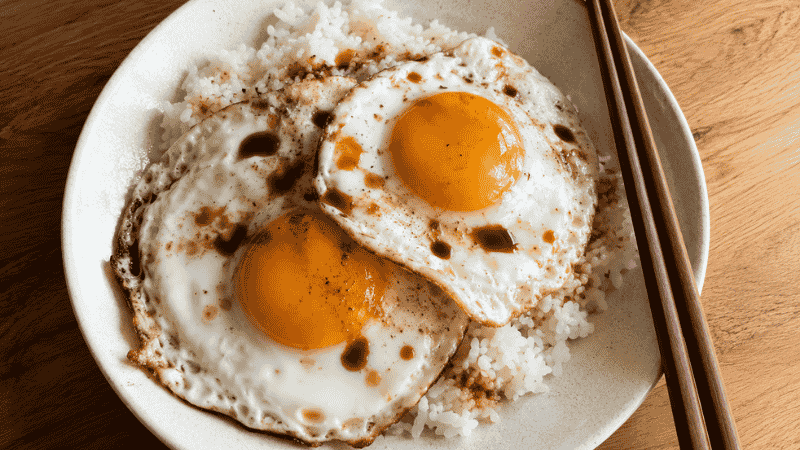
The 10-minute rescue: If a child refuses the main meal, the backup isn’t takeout — it’s eggs. Two fried eggs on rice with soy sauce takes 10 minutes and costs about $0.50. It’s nutritionally complete, it requires almost no work, and it sets a boundary: the backup is simpler than dinner, not better. Most kids will eventually try the original meal rather than hold out for the same breakfast-for-dinner scenario every night.
The naming strategy: “Bean soup” gets refused. “Cowboy soup” gets curious looks. “Taco filling over rice” gets eaten. The food is identical; the name is different. This is not deceptive — it’s understanding that presentation and framing affect perceived taste, especially for children.
The involvement strategy: Children who help prepare a meal are dramatically more likely to eat it. Even something as minimal as “can you stir this?” or “can you pour in the beans?” creates ownership over the outcome. This doesn’t fix picky eating — but it shifts the odds.
FAQ
Q: What are the cheapest meals for a family of 4?
Garlic butter pasta ($3–$4 total), egg fried rice ($3–$4), and black bean quesadillas ($4–$5) are consistently the lowest-cost options, running between $0.75 and $1.25 per person. Bean-based meals and egg-based meals are always the most economical because both proteins are significantly cheaper per gram than meat while being nutritionally comparable.
Q: Can cheap meals for family actually taste good?
Yes, consistently — when you apply the four principles that make food taste like it cost more than it did: salt at every stage, fat for richness, acid at the end to brighten flavors, and time to let flavors develop. A $6 pot of chili seasoned correctly and simmered for 25 minutes tastes better than a $15 restaurant version that was rushed.
Q: How do I feed a family of 4 on $60 a week with cheap meals?
Build your week around 5 anchor ingredients (ground beef, chicken thighs, canned beans, pasta, eggs) purchased at Aldi or Walmart. Add pantry staples you already have. Plan 5 dinners, not 7 — one leftover night and one “use what’s left” night covers the week. The families who sustain a $60/week grocery budget are almost always the ones who plan before shopping rather than shopping and then figuring out what to make.
Q: What are the best cheap family meals for picky eaters?
Taco rice skillet, cheesy beef mac, chili mac, rotisserie chicken tacos, and sheet pan nachos have the highest kid acceptance rates because they use familiar flavor profiles (cheese, cumin, mild heat) in formats kids already know they like. The pattern is consistent: familiar format + familiar seasoning = eaten without complaint.
Q: Is Aldi cheaper than Walmart for these ingredients?
For proteins and fresh produce, Aldi typically runs 8–10% cheaper than Walmart based on 2026 comparison shopping. For canned goods, pasta, and dry goods, the prices are comparable. If you have both stores nearby, buying proteins and produce at Aldi and pantry staples at Walmart delivers the best combination of savings and selection. If you only have one, either store is capable of supporting a $60–$80/week family food budget.
Q: How long do these cheap family meals keep in the fridge or freezer?
Soups, chilis, and casseroles keep 4–5 days refrigerated and 3 months frozen. Pasta dishes keep 3–4 days refrigerated but don’t freeze as well — the pasta absorbs liquid and becomes soft. Cooked rice keeps 4–5 days refrigerated and freezes perfectly. Egg-based dishes like fried rice or frittata keep 3–4 days but don’t freeze well. When in doubt, freeze in individual portions rather than bulk — it makes reheating faster and prevents waste.
Q: What pantry staples do I need to always have on hand for cheap family meals?
The non-negotiables: canned diced tomatoes, canned beans (rotating varieties), dry pasta (two shapes), white rice, soy sauce, olive oil, chicken broth (cartons), garlic powder, cumin, chili powder, smoked paprika, and kosher salt. With these always stocked, every meal in this guide can be made with only 1–2 additional grocery purchases per week. The pantry is what makes the $60/week budget possible — not recipes.
The Honest Bottom Line
Cheap meals for family aren’t about settling. They’re about knowing which ingredients deliver real flavor per dollar, how to cook them so they taste like more than they cost, and how to build a shopping and cooking system that makes budget eating automatic rather than stressful.
The week I had $60 for groceries, I didn’t feel like I was making cheap food. I felt like I was making dinner. The chili was good. My family ate it. That’s the whole point.
Start with two or three of these recipes — whichever match what you have on hand tonight. Cook them a few times until they feel automatic. Then add more. Over a month, you’ll build a rotation that costs a fraction of what you were spending and that your family actually looks forward to.
For the grocery strategy that makes all of this work week after week, our weekly grocery list for a family of 4 breaks down exactly what to buy, where, and how to stay under $150. And for the pantry setup that means you’re never starting from zero, our pantry staples guide covers every ingredient worth keeping on hand.
References
- USDA Economic Research Service. Official USDA Food Plans: Cost of Food Report, February 2026. ers.usda.gov
- USDA Agricultural Research Service. FoodData Central — Nutritional Profiles of Beans, Legumes, and Eggs. fdc.nal.usda.gov
- U.S. Food & Drug Administration. Nutrition Facts: Eggs and Complete Protein. fda.gov
- Bureau of Labor Statistics. Consumer Price Index: Food at Home, February 2026. bls.gov
- Tasting Table. Aldi vs. Walmart: Full Weekly Grocery Comparison, 2026. tastingtable.com